
DEI Under Fire
Dear Leading Ladies,
DEI programs (Diversity, Equity, Inclusion) have taken a big hit in the last three years. After George Floyd’s murder at the hands of police in 2020, DEI initiatives were developed and supported widely in workplaces and academia. But now the tide has changed and the same places that heralded opportunities for the historically under represented and served now stand in fear of being sued for their efforts.

These legal attacks began with the 2023 Supreme Court cases of Students for Fair Admissions v. Harvard and Students for Fair Admissions v. University of North Carolina, both of which pretty much wiped out race as a consideration in college admissions and did away with affirmative action. Along with these legal attacks has come the recognized need for DEI study and work to expand beyond sociology departments and business schools to law schools. Two of the prime movers in this expansion are David Glasgow and Kenji Yoshino, professors at NYU Law School and faculty director and executive director, respectively, of the Meltzer Center for Diversity, Inclusion and Belonging at NYU Law. They started the center in 2016, when the idea of such initiatives in law schools were met with skepticism. Glasgow and Yoshino are also co-authors of Say the Right Thing: How to Talk About Identity, Diversity and Justice and the recently published How Equality Wins: A New Vision for an Inclusive America.
According to Yoshino, they are not trying to offer a complicated solution in their new book. “This is not meant to be a high-concept book,” he said in an article online at nyu.law.edu. “It’s meant to be a very practical, tactical book that people can use in order to safeguard the really important ideals of equality and inclusion in a time when those values are under assault.” The article notes that two years ago, the center “launched an online tracker of all DEI-related federal lawsuits to give the public a clear picture of the new landscape.” With that and other information, they ”[advise] organizations on their evolving legal exposure, taking pains to explain that pulling back from commitments to diversity carries its own legal risks.” And, it is important to note that though there are clearly increasing legal actions from white critics, the majority of legal cases still come from members of historically marginalized groups in favor of DEI.
In their expressed effort to “find a realistic middle ground in the current moment,” Yoshino and Glasgow offer seven strategies to increase inclusion. Among them are:
Welcome new groups into the pro-equality tent, including groups with existing legal protections that are not robustly enforced, such as the disabled and the elderly; groups that are in most respects dominant but nevertheless have fallen behind in certain areas.
Level the playing field by shifting from “lifting” approaches that give preference to disadvantaged groups to “leveling” strategies that use identity-neutral practices to even out the playing field for all.
Embrace the universal by working to include everyone in equality programs rather than limiting them to certain groups.
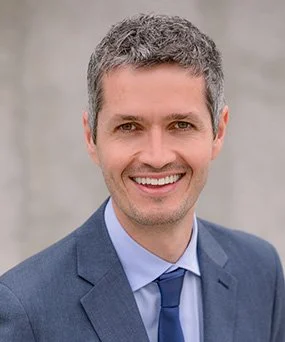
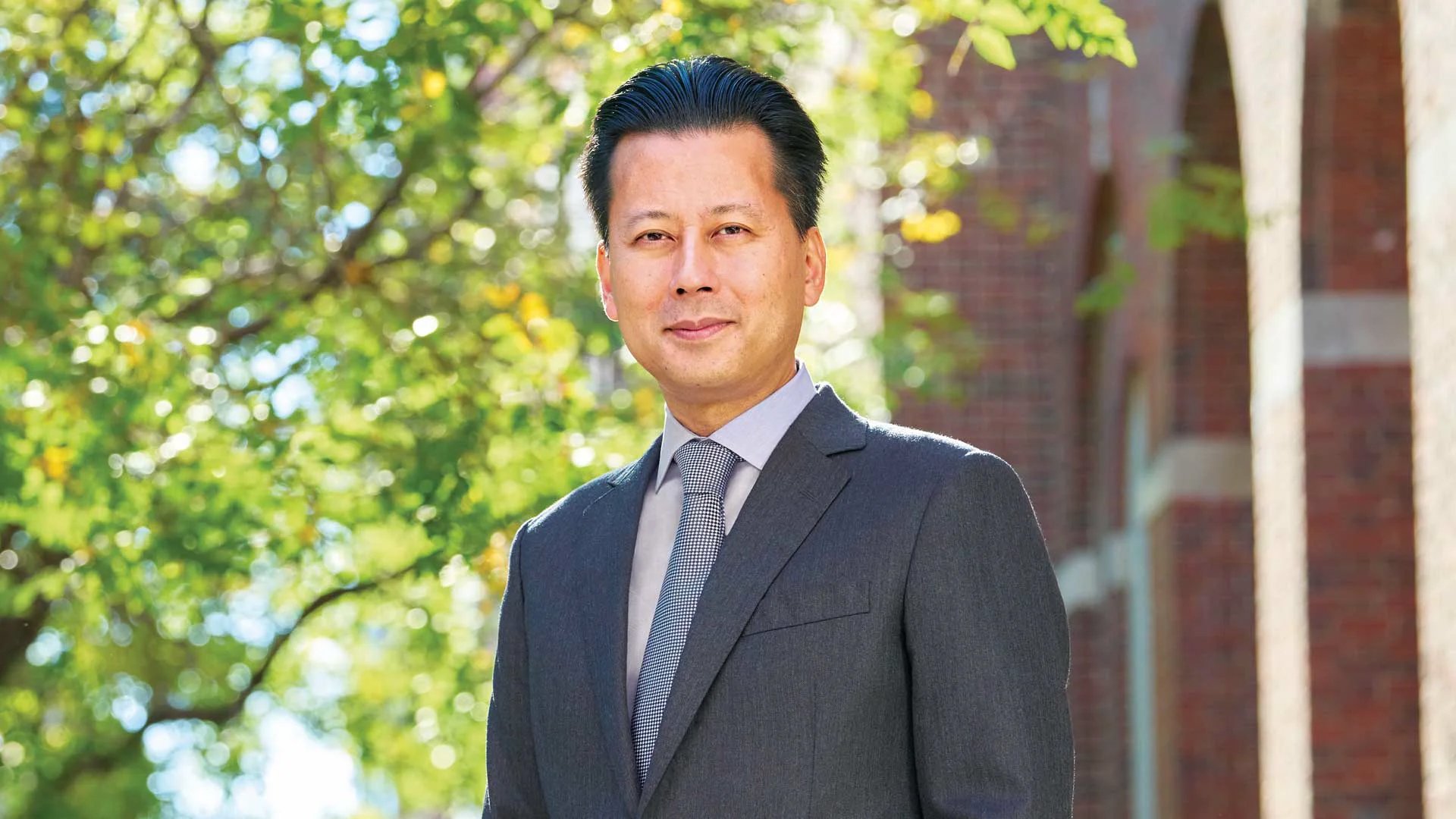
Credit: NYU
By making the tent larger to include everyone in the quest to provide equality, there is a greater opportunity to garner broader support. The concept is refreshingly satisfying. If our goal is to provide equality not just to those historically marginalized because of race or religion, but also to the disabled, the old, and the cognitively challenged, and to those injured physically and mentally by serving their country, who can argue with that?
Equality for all doesn’t mean some are more equal than others, even if that was the belief of many when the words were first written. The concept then and still now is aspirational for many. We should never lose sight of the fact that some are more privileged than others in our country. Yet, we will have more success in realizing that aspiration if we recognize and support the needs of all.
All the best,
Therese (she/her/hers)
Judy (she/her/hers)
Didi (she/her/hers)
Leading Ladies Executive Team
Leadingladiesvote.org
ladies@leadingladiesvote.org