
Doors Close on Women’s Access
Dear Leading Ladies,
Admittedly, we’ve been distracted of late by the lingering war in the Middle East, the heat wave that has kept those of us lucky enough to have air conditioning safe inside, the wackadoodle prices of gasoline that defy credulity, the billions of dollars accrued by the First Family during the past two years, and, okay, a little bit by the Taylor Swift wedding that cost as much as housing might for most of those living on the streets of New York.
Nonetheless, we did not miss the recent counterintuitive news that the number of abortions in our country has gone up since the Dobbs decision of 2022. As you will recall, in Dobbs v. Jackson Women’s Health Organization, the Supreme Court ruled that the Constitution does not protect the right to abortion via the Fourteenth Amendment's guarantee of privacy, effectively returning the ability to regulate abortion to state legislatures.
What did the states do?
According to the Guttmacher Institute, 13 states now have total bans on abortions; 28 other states have abortion bans based on gestational duration (7 ban abortions on or before 18 weeks; 21 ban at some point after 18 weeks); and 9 states and the District of Columbia do not ban at any gestational point. Massachusetts, by the way, has a different gestational limit for abortion — 24 weeks.
There are exceptions. In some states, abortion is allowed when there is a threat to the life of the pregnant person or her general health. Rape allows for exceptions to the gestational limits in nine states and incest in eight, while diagnosis of lethal fetal anomaly in only 13.
With all these restrictions and the added long waits in states that do allow abortion, what accounts for the rise in abortions post-Dobbs? Wouldn’t you think that more bans would have led to fewer abortions? That’s certainly what the “right-to-lifers" had hoped.
The answer is a bit more complicated and nuanced, with some good news and bad news for women.
In the good news column, there are now more ways to access abortion care. The growth of telehealth means that patients can consult with doctors across state borders and receive mail order prescriptions for medication abortions. They can also travel to other states to purchase the necessary drugs (mifepristone and misoprostol) for a medical abortion or to have surgical abortions.
But there’s another reason that has received little attention from what we have seen. And that’s birth control and contraception. It’s no secret that contraception cuts down on pregnancy and the need for abortion. As a New England Journal of Medicine study determined, and as quoted by Planned Parenthood, “Pregnancy, birth, and abortion rates were low among teenage girls and women enrolled in a project that removed financial and access barriers to contraception and informed them about the particular efficacy of LARC methods [long-acting reversible contraception].”
What does this have to do with the abortion bans?
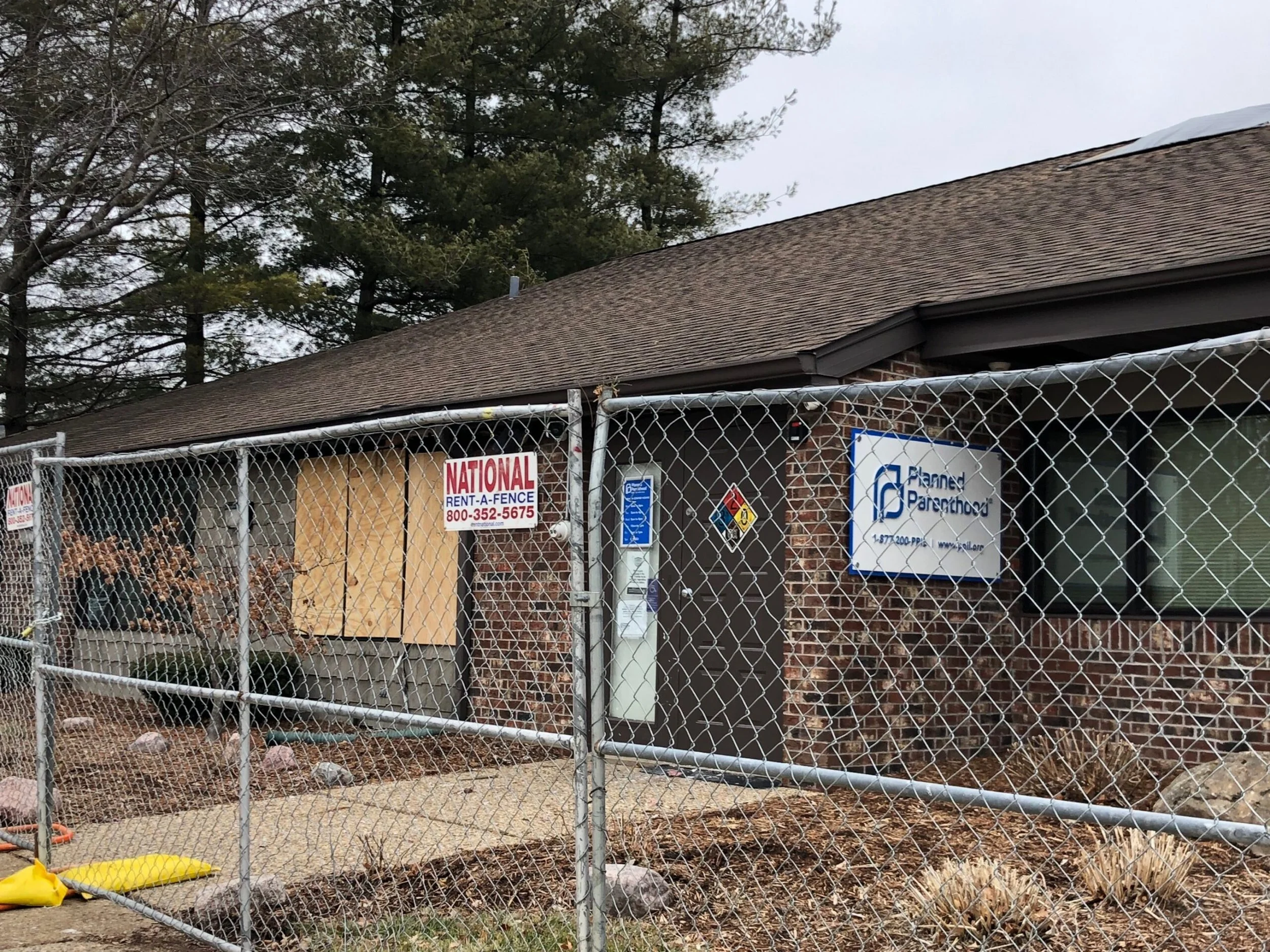
Well, it turns out that when the states banned or put strict limits on abortions, many of the clinics that had provided birth control and family planning services closed. Women who had counted on these clinics for their prescriptions for birth control pills had nowhere to go near home. Moreover, the guidance and sex education offered to young people closed with these facilities. Now, some states who ban abortion are also pushing to conflate contraception with abortion and veto a Right to Contraception Act under discussion at the federal level.
So, yes, there are more abortions, but less access to contraception. The rise in abortions is undoubtedly at least partially related to the drop in family planning education and local access to birth control. It is documented that limitations on access to contraception are taking place in the same areas that have put bans on abortion. A need for more abortions because of a lack of access to birth control is far from the goal of women’s choice advocates!
The good news is that there are organizations hard at work to provide birth control for those who need it wherever they live. Nurx, Planned Parenthood Direct, and GoodRx Care all have digital platforms that allow patients to bypass doctor appointments.This isn’t the same as having health education in schools and community centers for teens as they enter adolescence, but it’s something.
We always support a woman’s right to choose. We just want her to have as many good choices as possible.
Therese (she/her/hers)
Judy (she/her/hers)
Didi (she/her/hers)
Leading Ladies Executive Team